Unit option E: Using the equatic environment
Lesson content to follow.
Unit option E: Using the aquatic environment
Concepts
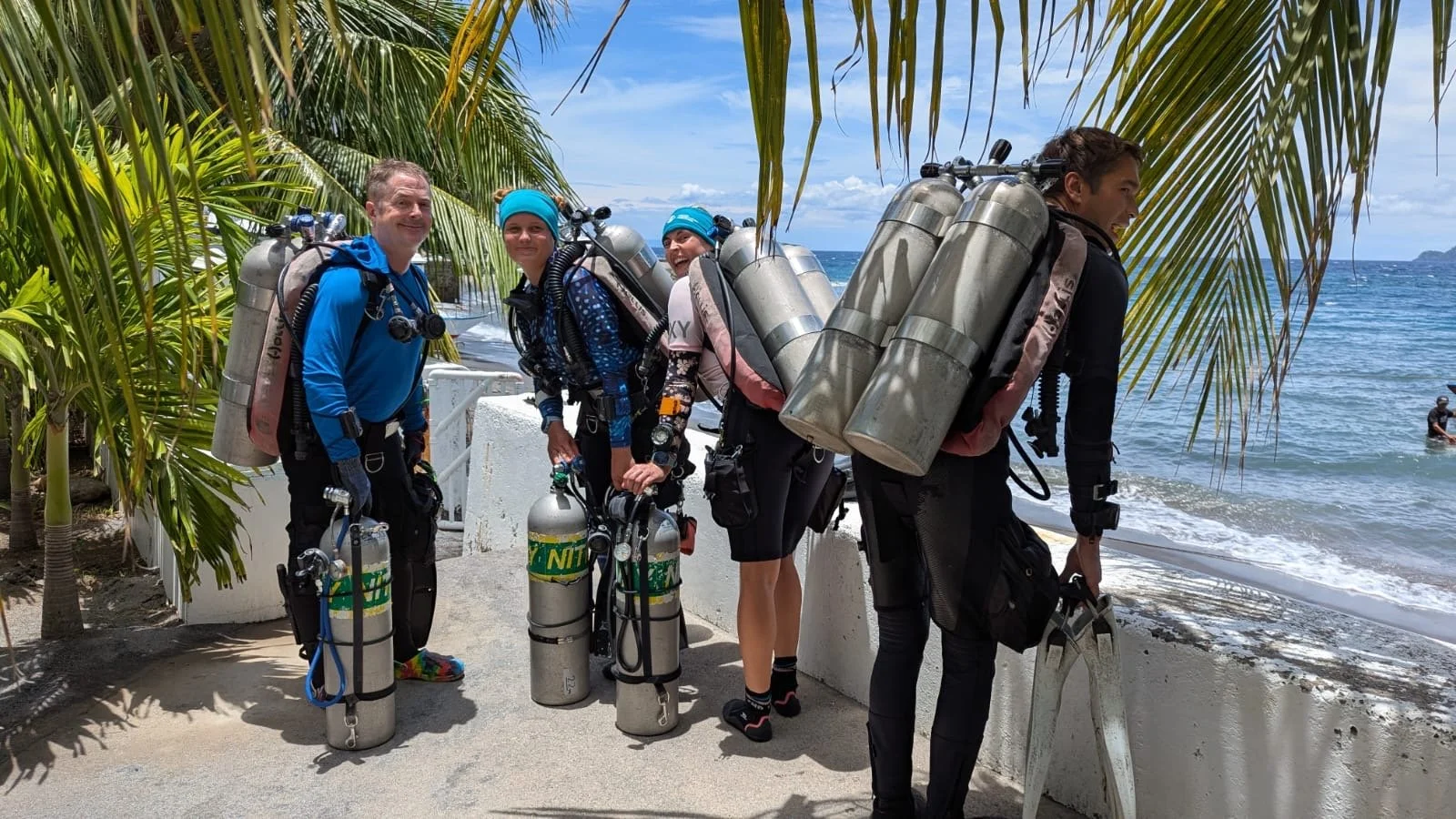
specialised equipment and materials for a range of aquatic activities, e.g. boating, fishing, snorkelling, sailboarding, kitesurfing, foil boarding, canoeing, surfing
factors that affect the safety of aquatic activities, e.g. weather, water visibility, swell, tides
the difference between risks and hazards
duty of care for customers and employees
implications of differing values, beliefs, perspectives and behaviours towards aquatic environments
functions of relevant authorities
changes to industry guidelines and standards over time, e.g. licence requirements
Information
Analyse information from practicals, projects and investigations
factors that determine availability of activities, e.g. weather, water visibility, swell, tides
interpret operation manuals for service instructions and information, e.g. following maintenance schedules, everyday servicing and maintenance of equipment
roles, rights, procedures and expectations of established industries.
Procedures and skills
Execute risk management plans
safe use of equipment, e.g. following collision regulations; paddling and snorkelling;
obtaining necessary certificates, registrations and licences
procedures to protect equipment against the natural environment
procedures to deal with injuries and emergencies
safety measures in aquatic contexts.
evaluate outcomes of decisions and the effectiveness of risk management
plan management of risks and hazards, including preventative actions to prevent injuries and emergencies, e.g. hypothermia, hyperthermia, marine stings, drowning
plan projects in using the aquatic environment, e.g. present a safety brief for an aquatic activity.